
Who Can Use Adrenaline Pens in an Emergency?
- Coachaj Lifesaver
- Aug 14
- 5 min read

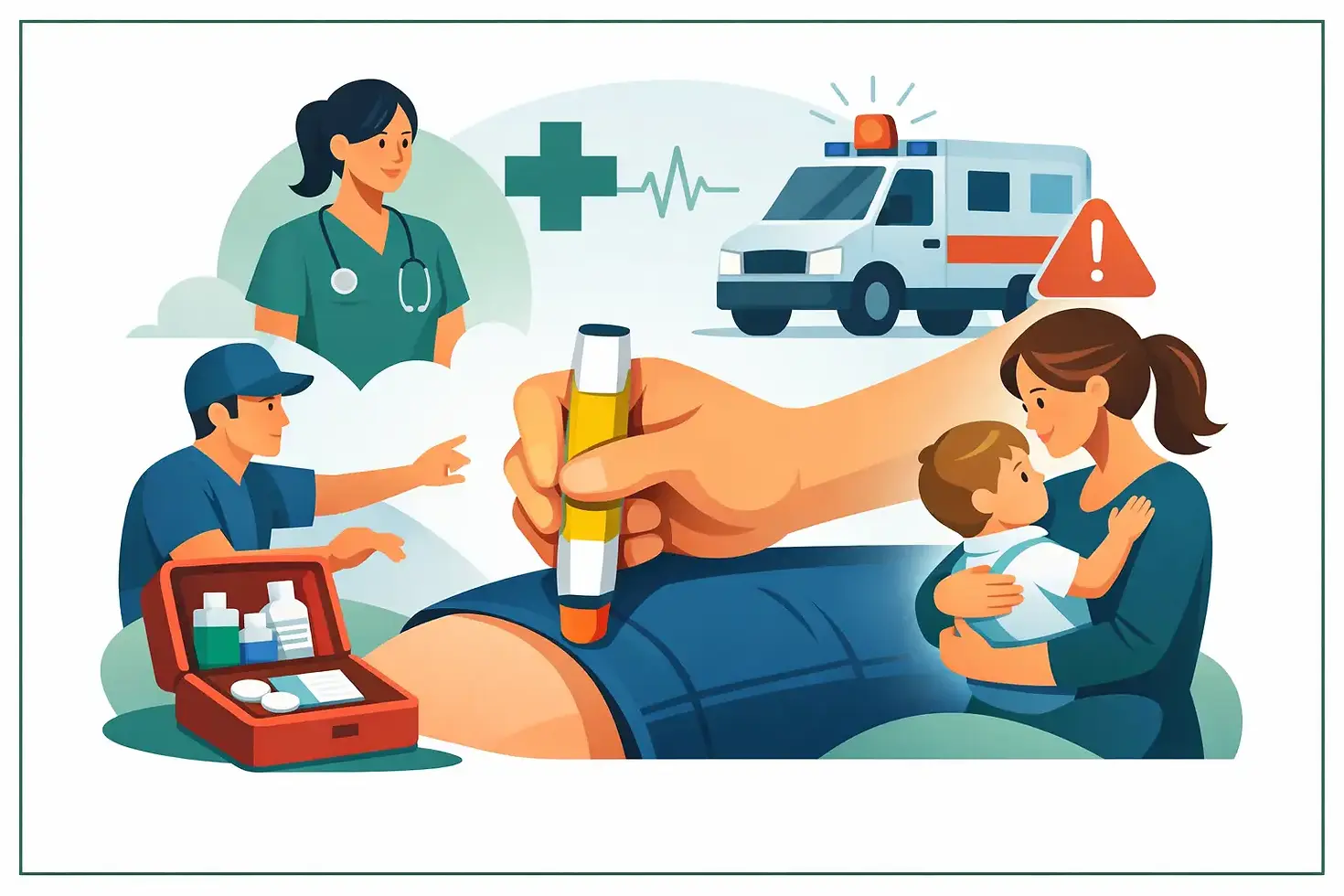
An adrenaline pen can be the decisive intervention when a severe allergic reaction develops. Yet uncertainty over who can use adrenaline pens can cost valuable time. The practical answer is that the person prescribed the pen may use it themselves, while a trained parent, colleague, teacher, carer or bystander may need to give it when that person cannot. The response must always follow the individual’s emergency plan, the device instructions and local organisational procedures.
Adrenaline pens, also called adrenaline auto-injectors, are designed for emergency use in suspected anaphylaxis. They are not only for healthcare professionals. Their purpose is to make prompt treatment possible wherever an allergic emergency occurs: at home, in school, at work, during travel or in a public setting.
Who can use adrenaline pens?
The person at risk of anaphylaxis should be taught to use their own prescribed pen as soon as they recognise a severe reaction. This is often possible for older children, teenagers and adults who are alert, able to act and have received practical instruction. Confidence matters, but speed matters more. A person should not wait for symptoms to become overwhelming before using their prescribed adrenaline pen.
When the person is unable to inject themselves, another person may need to act. This may be a parent, guardian, teacher, first aider, workplace colleague, coach, cabin crew member or other responsible adult. In a life-threatening emergency, a trained responder should follow the individual’s allergy action plan and use the prescribed device available for that person.
A bystander may also be the only person present. If anaphylaxis is suspected and the person has their own adrenaline pen, acting promptly can be safer than delaying while waiting for medical support. Emergency services must be called immediately after the pen is used. In Abu Dhabi, call 998 for an ambulance.
The key distinction is between using a pen as an emergency response for a person with suspected anaphylaxis, and casually using one for a mild or uncertain allergy. Adrenaline pens are prescribed or provided under approved arrangements for people considered at risk of a severe allergic reaction. They should not be treated as a general medicine for rashes, hay fever or minor symptoms.
When should an adrenaline pen be given?
Anaphylaxis can affect breathing, circulation and consciousness very quickly. It may follow exposure to a food, medicine, insect sting, latex or another known allergen. A reaction can also occur without an obvious trigger at the time.
Warning signs can include swelling of the tongue, lips or throat; difficulty breathing, wheezing or a persistent cough; a hoarse voice; trouble swallowing; dizziness; collapse; confusion; or sudden floppiness and pallor in a child. Severe abdominal pain or repeated vomiting after a likely allergen exposure can also be significant, particularly alongside other symptoms.
Skin signs such as hives, redness or itching are common, but they are not required for anaphylaxis. A person can have a life-threatening reaction without a visible rash. That is why staff and carers should assess the whole presentation rather than waiting for one familiar symptom.
Where an individual has a diagnosed allergy and their action plan indicates adrenaline for the symptoms present, the pen should be given without delay. If there is doubt between a severe allergic reaction and another serious emergency, treat the situation as urgent and seek immediate medical assistance. There are no absolute contraindications to intramuscular adrenaline in suspected anaphylaxis, because untreated anaphylaxis can be fatal.
Antihistamines are not a replacement for adrenaline in anaphylaxis. They may relieve some skin symptoms, but they do not treat airway swelling, breathing difficulty or shock. Asthma inhalers may help wheeze when prescribed, but they must not delay adrenaline if anaphylaxis is suspected.
What should happen after the injection?
Using the pen is the start of the emergency response, not the end of it. The person needs urgent medical assessment, even if they appear to recover. Symptoms can return after an initial improvement.
A clear response sequence helps families, schools and workplaces act under pressure:
1. Give the adrenaline pen into the outer mid-thigh, following the device-specific instructions. It can generally be used through clothing if necessary.
2. Call 998 and state that anaphylaxis is suspected and adrenaline has been given.
3. Keep the person lying down with their legs raised where possible. If breathing is difficult, they may sit with legs extended. Do not allow them to stand or walk.
4. If there is no improvement after five minutes and a second prescribed pen is available, give the second pen. Start CPR if the person becomes unresponsive and is not breathing normally.
Keep the used pen for the ambulance crew, along with any remaining devices and the person’s allergy plan. Record the time each pen was given. This information supports safe handover and subsequent treatment.
Children, schools and childcare settings
Children may be prescribed a specific strength of adrenaline pen based on their weight and clinical assessment. A parent, school or nursery should never substitute an adult’s device simply because it is available, unless this is the only emergency option and professional advice or the child’s plan supports its use. The correct device, its expiry date and the child’s action plan should be checked routinely.
For schools and childcare settings, preparation must go beyond storing a pen in a cupboard. Staff need to know which pupils have allergies, where their devices are kept, who is trained, how to contact emergency services and how to communicate with parents after an incident. Devices must be accessible quickly, including during sports, school trips and off-site activities.
Some settings may maintain approved spare adrenaline pens under their governing policies and applicable local requirements. These are valuable safeguards, but they do not remove the need for each at-risk child to have their own prescribed devices and up-to-date care plan. Organisations should confirm their responsibilities with their clinical adviser, regulator and insurer.
Workplace readiness: duty of care in practice
Allergies do not stop at the school gate. Employees, contractors, visitors and clients may experience anaphylaxis in offices, industrial locations, hospitality venues, remote sites and staff accommodation. For safety managers, the question is not merely whether an employee carries a pen. It is whether the organisation can recognise an emergency and respond without confusion.
A proportionate workplace plan identifies known risks where employees choose to disclose them, establishes a process for emergency communication, and gives nominated first aiders practical familiarity with adrenaline auto-injectors. It should also account for the working environment. A pen stored in a vehicle exposed to extreme heat, or locked in an office after hours, may not be reliable or reachable when required.
Training should include scenario-based decision-making. Staff need to distinguish mild symptoms from signs of anaphylaxis, practise calling for help, understand safe positioning and know that a casualty who improves still needs hospital assessment. In higher-risk, remote or field-based operations, this planning should sit within wider medical evacuation and incident-management arrangements.
Training gives people permission to act
Fear of doing the wrong thing is a common reason for delay. People worry about the needle, the dose, using the wrong end of the device or causing harm. Practical training addresses these concerns before an emergency occurs. It allows participants to handle trainer devices, rehearse the response sequence and understand the limits of their role.
The exact method differs between pen brands, so users should read the instructions on the device they are likely to use. Device changes, expiry replacements and new diagnoses are all sensible points for refresher training. Families should also ensure that grandparents, babysitters, sports coaches and regular carers know where the pen is kept and when to use it.
Lifesaver Abu Dhabi supports organisations, schools and families with practical first aid education built around confident action and reliable escalation. The objective is not to turn every employee or parent into a clinician. It is to ensure the right person can recognise a life-threatening emergency, use the available equipment correctly and bring professional care to the scene without delay.
An adrenaline pen is most effective when it is accessible, in date and backed by people who are prepared to act. A clear plan, regular practice and immediate escalation can turn a moment of uncertainty into a life-preserving response.


Comments