
Workplace First Aid That Performs Under Pressure
- Coachaj Lifesaver
- Jul 15
- 5 min read

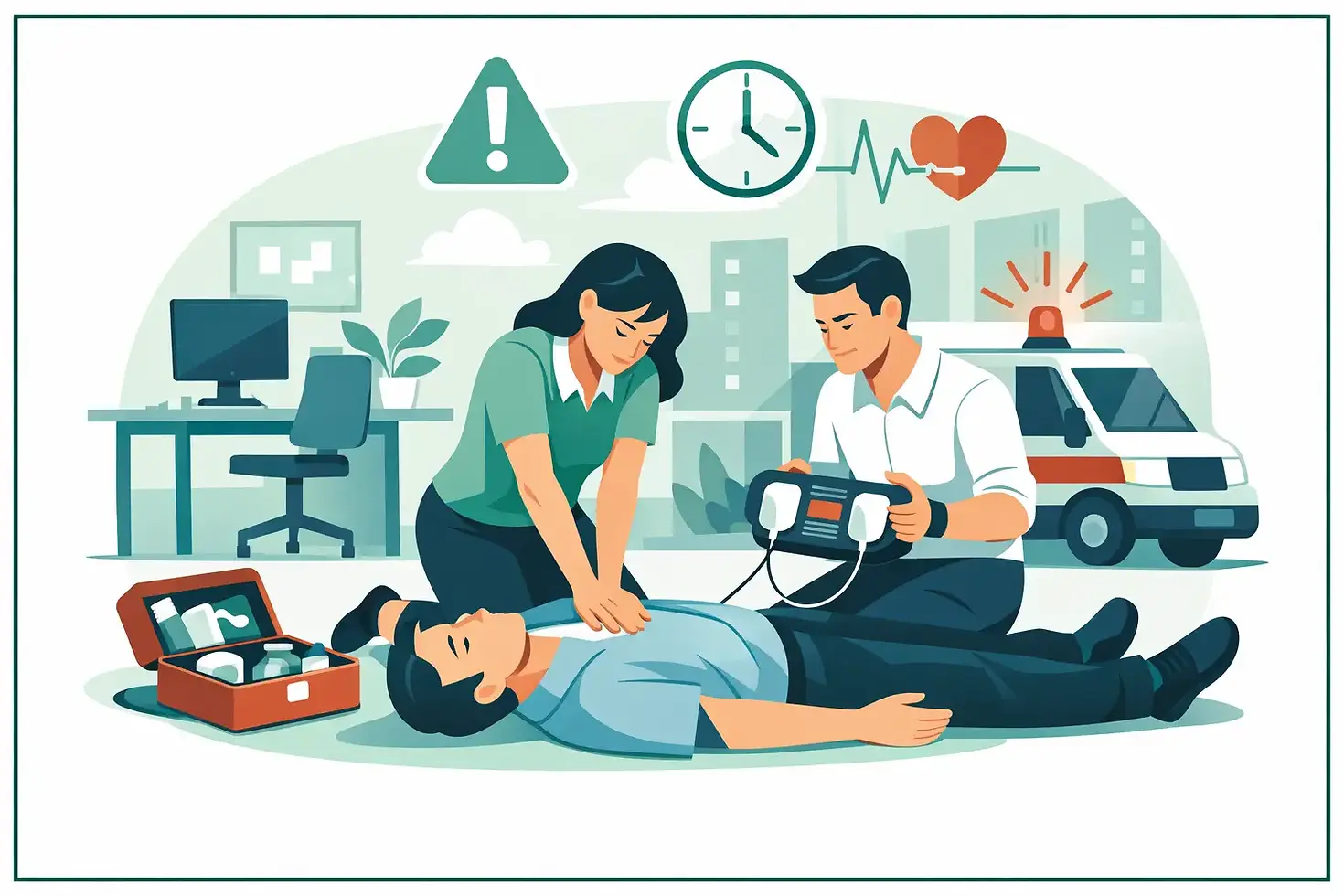
A first aid box on a wall is not a workplace first aid system. When a colleague collapses, sustains a burn, suffers a serious cut or has a severe allergic reaction, the difference lies in whether people know what to do, where the equipment is and how quickly help can be coordinated. Preparedness must work at the point of need, under pressure and across every shift.
For employers, this is a duty of care issue as much as a compliance requirement. A well-run programme reduces the chance of a manageable incident becoming a life-changing emergency. It also gives employees a clear assurance: their organisation has planned for their safety, not merely documented it.
What effective workplace first aid looks like
Effective provision begins with a realistic view of risk. An office with a small daytime team faces different hazards from a warehouse, school, construction project, hospitality venue or remote field operation. The number of people on site matters, but so do the nature of the work, the layout of the premises, access to emergency services, lone working, visitor numbers and the medical needs that may already be known within the workforce.
A risk assessment should therefore answer practical questions. What injuries or illnesses are reasonably foreseeable? How long could it take for professional medical support to arrive? Are there areas where a trained responder may be difficult to reach? Does the organisation operate at night, across multiple sites or during high-demand events? These answers determine the appropriate level of training, equipment and responder cover.
The goal is not to turn every employee into a clinician. It is to ensure the right people can recognise an emergency, provide safe immediate care within their competence and hand over accurate information to emergency services. In many workplaces, that means trained first aiders supported by employees who know how to raise the alarm and direct responders to the scene.
Build provision around real operational risk
A standard kit and a single appointed first aider may be sufficient for a low-risk, small workplace with consistent staffing. It may be entirely inadequate for a large site, a workforce exposed to machinery, heat, vehicles, chemicals, water or physical security risks. The right approach depends on the operation.
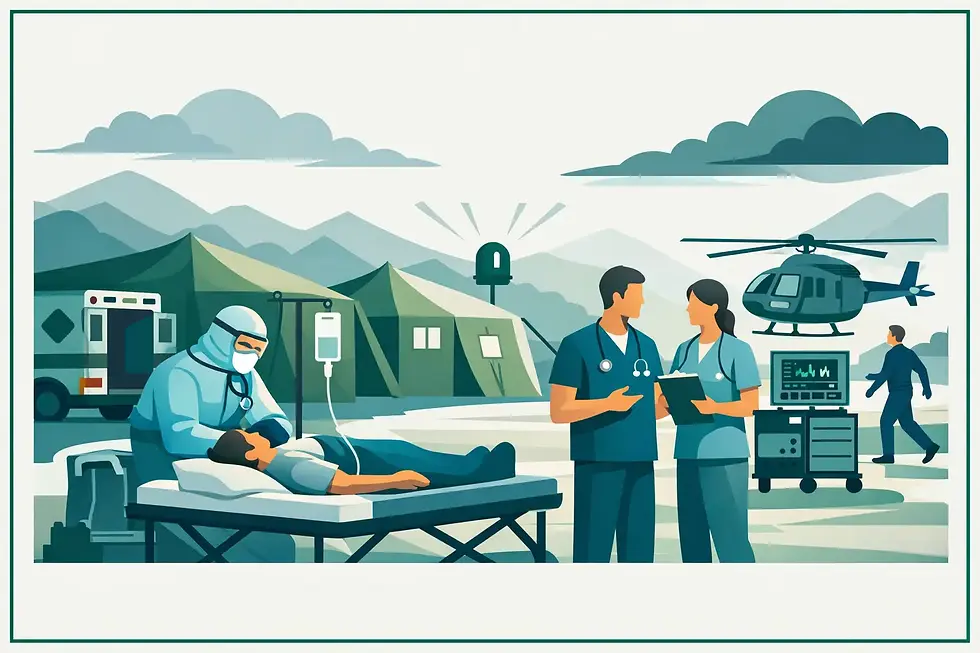
Consider a logistics facility where teams are dispersed across loading bays and storage areas. First aid provision must account for response times between zones, communication methods, vehicle movement and the possibility of crush injuries or falls. A school must plan for children, visitors, playground activities and staff who may need to respond before medical assistance arrives. A remote project site may need more advanced capability, stronger communications and a clear evacuation pathway because external help is not close by.
This is where generic provision can create false confidence. Equipment and training should be selected because they address credible scenarios, not because they satisfy a checklist in isolation. Organisations should also review their arrangements after an incident, a change in operations, a move to new premises or a significant shift in headcount.
Cover must exist on every shift
One trained person is not a reliable system if they are on annual leave, in a meeting, working remotely or unavailable during an emergency. Plan for absence, shift patterns and the physical size of the site. Ensure employees know who the first aiders are and how to contact them without delay.
Visibility matters. First aid points should be clearly marked, accessible and maintained. Staff should not have to search for supplies while managing a bleeding casualty or a burn. Where appropriate, organisations should identify the location of automated external defibrillators, ensure they are maintained correctly and train relevant personnel to use them confidently.
Equipment should match the hazards
First aid supplies require regular inspection, not occasional attention after an incident. Expired items, missing components, poorly placed kits and inaccessible cabinets undermine readiness. A named person should check stock, document replenishment and confirm that equipment remains suitable as the workplace changes.
For higher-risk environments, provision may need to go beyond a basic kit. The decision should follow the risk assessment and relevant requirements, with attention to potential trauma, burns, eye injuries, heat illness and remote-care needs. More equipment is not automatically better. It must be appropriate, familiar to responders and supported by training.
Training creates confidence, not panic
First aid training is most valuable when it is practical, scenario-based and relevant to the people attending. Employees retain more when they have practised responding to a casualty, communicating with emergency services and using the equipment available at their own workplace.
A strong course covers the essentials: assessing danger, preserving life, calling for help, managing an unresponsive casualty, cardiopulmonary resuscitation, bleeding, choking, burns, seizures and other foreseeable emergencies. Yet training should also address the decisions that occur before treatment begins. Can the responder approach safely? Does the casualty need urgent escalation? Who will meet the ambulance? What information must be recorded after the event?
For organisations with higher exposure, tailored training is essential. Staff working in remote locations, security teams, educational settings, industrial facilities and field-based operations all benefit from instruction aligned to their environment. A paediatric focus, for example, is relevant where employees are responsible for children. Trauma-focused or hostile-environment capability may be necessary for teams operating where access, security or evacuation is constrained.
Certification matters because it provides evidence of structured learning and assessment. It should not be treated as the end of the process. Skills fade when they are never used. Refresher training, short practice sessions and scenario exercises help retain confidence between formal courses.
Turn written plans into a usable response
A first aid policy should be simple enough to use in a real emergency. It needs clear responsibilities, contact numbers, escalation arrangements, equipment locations and reporting procedures. If it only exists as a long document in a shared folder, it will not guide the first minutes of an incident.
Emergency communication deserves particular attention. Employees should know how to summon assistance from different parts of the site, including noisy, isolated or restricted areas. Reception teams, security personnel and supervisors often play a critical role in directing emergency services, opening access points and managing bystanders. These functions should be included in drills rather than assumed.
After any incident, record what happened, what treatment was given and whether further action is required. Reporting is not administrative housekeeping. It can expose recurring hazards, identify gaps in equipment or training and support a safer return to work. Sensitive health information must, of course, be handled confidentially and in line with the organisation's policies and legal obligations.
Test readiness before an emergency tests it
Tabletop discussions and live exercises reveal weaknesses that paperwork misses. A brief scenario - such as a worker collapsing in a distant area, a child choking during an event or a heat-related illness outdoors - can test how quickly the alarm is raised, whether trained responders are available and whether access routes are clear.
These exercises should be constructive. The purpose is not to catch individuals out; it is to strengthen the system. Review response times, communication failures, uncertainty around roles and missing supplies. Then assign actions, set deadlines and revisit the plan. A lesson without a corrective action is only an observation.
For larger organisations or sites with complex hazards, an external training and safety partner can provide useful independence. Lifesaver Abu Dhabi supports organisations with internationally accredited, practical training that can be tailored to operational requirements, from corporate first aid provision to advanced field and high-risk readiness.
Make duty of care visible
Employees notice whether safety arrangements are real. They notice when first aiders are known and approachable, when kits are maintained and when managers take drills seriously. This builds trust, particularly in workplaces where people face physical, environmental or public-facing risks every day.
The strongest workplace first aid arrangements are quiet until they are needed. They do not rely on luck, one capable individual or a box that has not been opened in years. They give ordinary people a prepared, practised route to take purposeful action when someone needs help most.


Comments